Through Our Senses We Connect With The Outside World
Providing sensory stimulation for dementia patients and people with other cognitive disorders should be a part of every care program. A varied living environment including sensory input is important for quality of life. Furthermore, appropriate sensory stimulation has been shown in studies to improve sleep and to decrease agitation and restlessness.
These symptoms are very common in most forms of dementia, and they are certainly common to people with Alzheimer’s, so sensory stimulation translates into improved quality of life for everyone in a care partnership. More recent investigations indicate that appropriate sensory stimulation can actually repair the brain and make it grow.
The Senses
Sensory stimulation can be thought, quite simply, to be anything that stimulates one of our senses. It is easy to create a pleasing sensory environment from objects found around the house that will provide an endless variety of stimulation to any and all of the senses. It is through our senses that we derive pleasure.
We enjoy viewing art and listening to music. Who can say no to the smell of fresh bread baking in the oven, our the taste of one’s favorite comfort food. A hand or a foot massage are simple ways we derive pleasure from our sense of touch. These sensory experiences give pleasure also to people with dementia.[pullquote]all three sensory stimulation activities… lowered (discomfort) levels… indicating an increase in psychological well-being[/pullquote]
Sensory Stimulation for Alzheimer’s disease and others with dementia -Sensory Stimulation is Brain Stimulation
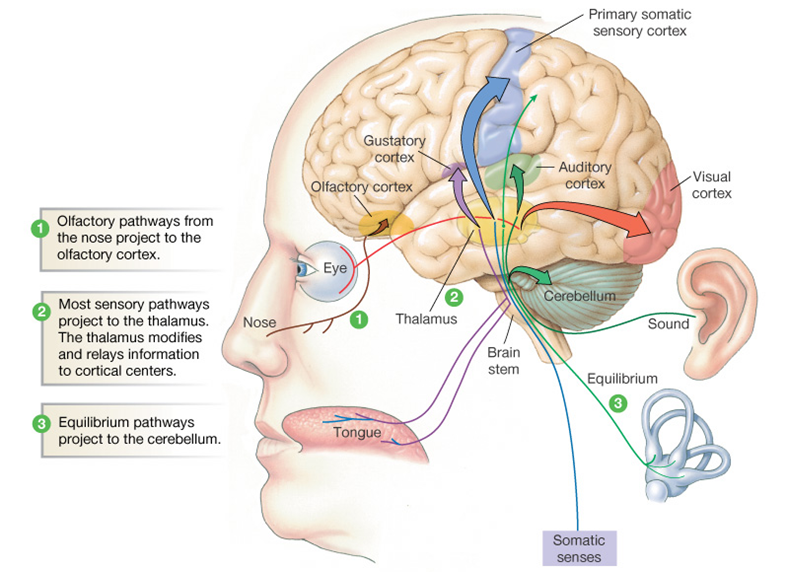
The one big thing that all of our senses have in common is the brain. Our eyes and ears respectively turn light waves and sound waves into sensory impressions. The gustatory nerves in our taste buds and the olfactory nerves in our noses turn certain molecules into tastes and smells. The nerve endings in our skin and almost every other part of our body turn pressure and temperature into sensations we “feel”. But we don’t hear and see and taste with those nerves. It is our brain that turns environmental stimulation into sensation. Sensory stimulation is brain stimulation.
*The area of the brain labeled “Sensory homunculus” in the accompanying image should more properly read “Somatosensory cortex”, or “Somatosensory homunculus”. This is the area that processes somatosenses, senses of the body. This is what we call the sense of touch, and include pain, pressure, temperature, etc.
Our five senses—and a few more…
We all learned early in our education that we have five senses, which correspond to five sensory organs. But science recognizes as many as twenty-one different senses. The ones everyone knows from early school days are:
- Sight (Visual Stimulation) – The eyes are the organ of sight. Vision is perhaps our most important sense, the one through which we gain most of our information….
- Hearing (Auditory Stimulation) – Our ears probably provides us with our second most vibrant source of sensory stimulation.
- Smell (Olfactory Stimulation) – Receptors in our nose provide us with a sense of smell. Some of our strongest memories, our most potent associations, are triggered by odor.
- Taste (Gustatory Stimulation) – Nerve endings on our tongue allow us to taste what is in our mouths. In many ways taste is the most pleasurable of our senses, depending on how much emphasis one puts on food and eating.
- Touch (Tactile Stimulation) – Touch receptors are located in our skin, but in many other parts of our bodies as well. Anything touched and anything that touches us can be stimulating. Every solid object has texture, temperature, shape.
There are two less well-recognized senses that are important to this discussion:
Vestibular Stimulation, which is related to and dependent on the proprioceptive system. The vestibular system is what gives us balance, allows us to stand and move through space without falling over. It relies on feedback from the visual, auditory, and tactile systems.
Proprioceptive Stimulation is closely related to tactile stimulation and is otherwise a little hard to define. It is the sensory feedback that informs us where the parts of our body are and how they are moving. So, a stroll through the forest on a beautiful autumn day would not only involve visual, auditory, and olfactory stimulation, but also plenty of proprioceptive stimulation.
A Whole World

Very few activities stimulate only one sense or sense organ; few are beneficial in only a singular way. Furthermore, sensory stimulation for Alzheimer’s is not any different from beneficial sensory stimulation for any of us.
A walk in the woods in the fall when the leaves are changing can be a magnificent visual experience. The variety and the vibrancy of the colors are the first things one notices, but autumn has its own array of smells and sounds. The pungent aroma of decay; the spicy smell of autumn flowers that can differ from the sweeter smell of spring blossoms; leaves crunching under foot; flocks of geese honking as they begin their migration south.
Add to that the exercise and the fresh air and you have a comprehensive activity for one who has dementia as well as for the caregiver who accompanies him. I can’t think of a better way to provide sensory stimulation for Alzheimer’s.
Virtual Reality can Provide Sensory Stimulation for Alzheimer’s and Dementia
Any form of sensory stimulation is a part of the patient’s subjective environment and contributes to that “Good Life.” A walk in the woods or a stroll through a flower-filled meadow may not be a viable option. If you live in the city or the person or people in your care are not adequately mobile, as would be the case in the later stages of the disease, consider a virtual exploration.
Decor that is also engaging Sensory Stimulation
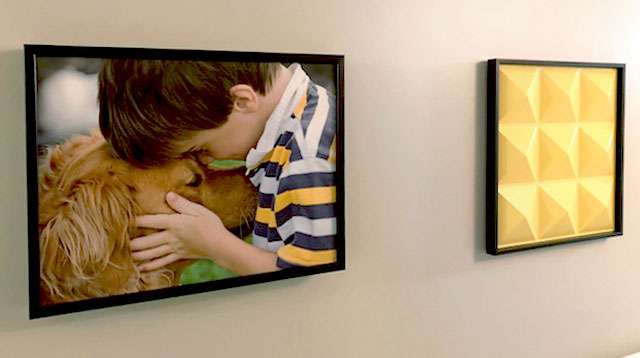
 3D Texture Panel
- Gear Tree Activity Board
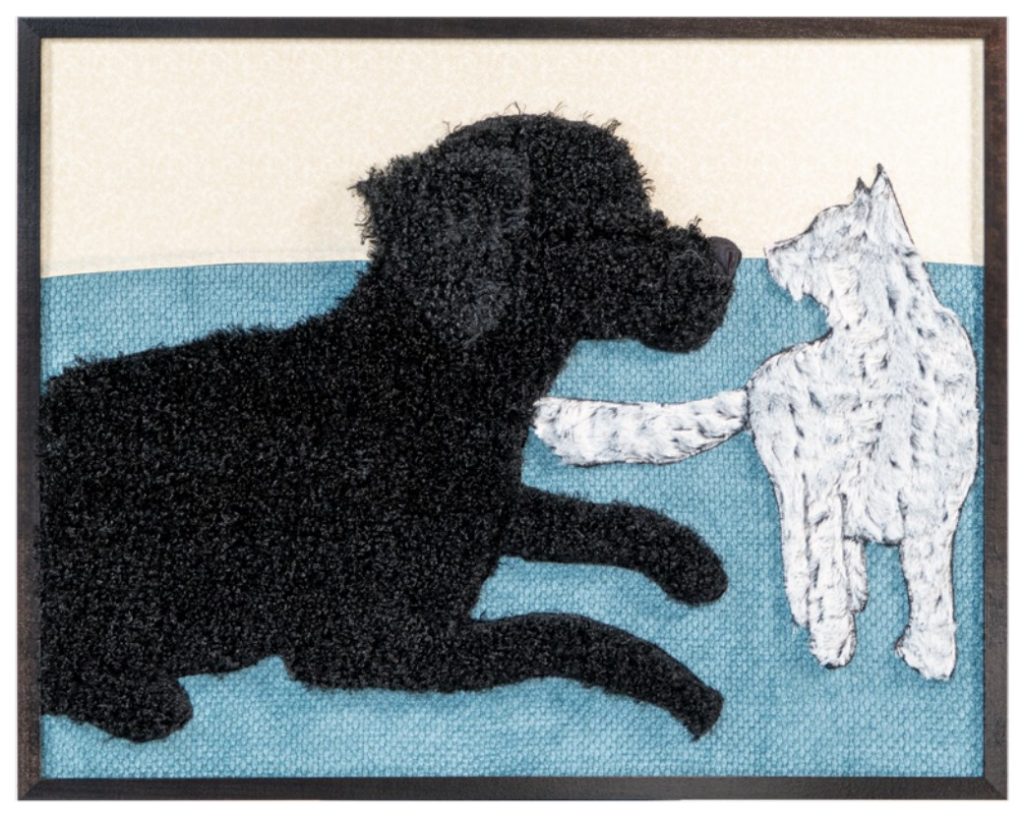
- Fabric Texture Art
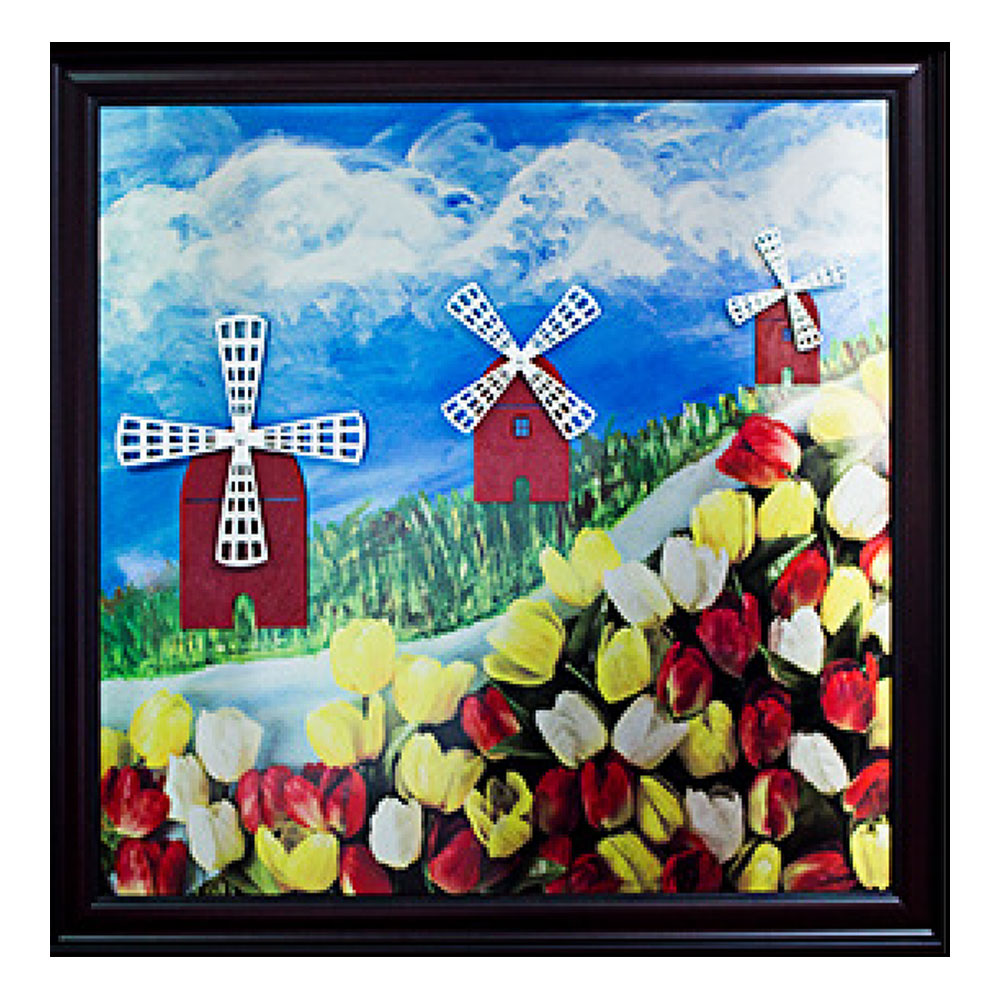
- Windmills Activity Board
- Sounds of the Pianp
- Nature Sounds & 3D Texture Panel