


Image by Valentin from Pixabay
How the Right Environment Helps the Brain Make Sense of the World
Sensory Stimulation, Perception, and Dementia
There’s a particular kind of quiet that settles over a person in the right sensory environment. I’ve felt it myself on beaches where the rhythm of the waves smooths out the edges of thought, and in the woods where filtered sunlight and the smell of pine or gently decaying leaves create a kind of internal stillness. I’ve seen that same quiet in others, the way posture softens, breathing slows, and the world feels briefly more manageable.
The Quiet Power of Sensory Experience
Clinicians often describe similar moments in Snoezelen rooms. These multisensory spaces, which combine gentle light, soft sound, and tactile exploration, are designed to evoke calm and curiosity. According to the clinical literature, they often succeed. In a randomized controlled trial, Baker et al. (2001) found that multisensory stimulation reduced apathy and increased positive engagement among people living with dementia.¹ A later study by van Weert et al. (2005) reported reductions in agitation along with improvements in mood and social interaction when multisensory stimulation was incorporated into daily care routines.²
What is particularly interesting is not simply that these approaches work, but why they work.
When Perception Becomes the Challenge
Most dementias do not begin by damaging the sensory organs. The eyes still see, the ears still hear, and the skin still feels. What changes is perception: the brain’s ability to interpret the information those senses deliver. As dementia affects the parts of the brain responsible for making sense of sensory information, everyday environments can become confusing, fragmented, or overwhelming.
Read more – How Alzheimer’s/Dementia Affects Perception
A patterned carpet, a cluttered wall, or a television adding unpredictable sound to the cacophony of noises already present in most living environments are not merely distractions. They demand interpretation. They require the brain to organize incoming information and determine what is important and what is not. For a person whose perceptual abilities have been compromised, that process can be exhausting.
This is where appropriate sensory stimulation becomes therapeutic.
Why Appropriate Sensory Stimulation Works
Appropriate sensory stimulation does not reverse the neurological changes associated with dementia. It does, however, do something nearly as important: it reduces the burden of processing the environment. It presents information in forms that are easier for the brain to interpret and use.
Gentle light is easier to process than glare. Clear visual contrast is easier to interpret than clutter or environments where floors, walls, furnishings, and objects visually merge together. Predictable sounds are less demanding than competing sources of noise. A textured surface that invites touch requires far less cognitive effort than an environment filled with confusing and competing sensory signals.
Research into perceptual dysfunction in dementia supports this distinction. As perception becomes less reliable, environments that are simplified and meaningfully structured can reduce anxiety and improve engagement in everyday activities. The goal is not to “fix” perception, but to support the perceptual abilities that remain.
Interestingly, these same principles can be observed far beyond therapeutic programs and purpose-designed care environments.
Beyond Therapy Rooms: Lessons from Nature
Nature provides sensory experiences that are rich without being chaotic. Waves arrive with a predictable rhythm. Trees repeat familiar patterns of shape and texture. Light filters through leaves in ways that are dynamic yet gentle. The brain does not have to work as hard to interpret these environments because much of the sensory information arrives already organized.
This understanding has important implications for dementia care and dementia-friendly design.
What Makes Sensory Stimulation Appropriate?
Appropriate sensory stimulation is not about providing more stimulation. In fact, more stimulation can sometimes increase confusion and distress. Instead, appropriate stimulation is structured rather than chaotic, predictable rather than surprising, meaningful rather than abstract, and matched to a person’s perceptual abilities rather than overwhelming them.
Designing Environments That Support Engagement
When sensory environments are designed with these principles in mind, people often become more comfortable in their surroundings. Curiosity replaces withdrawal. Engagement becomes easier. For many individuals, anxiety diminishes and quality of life improves.
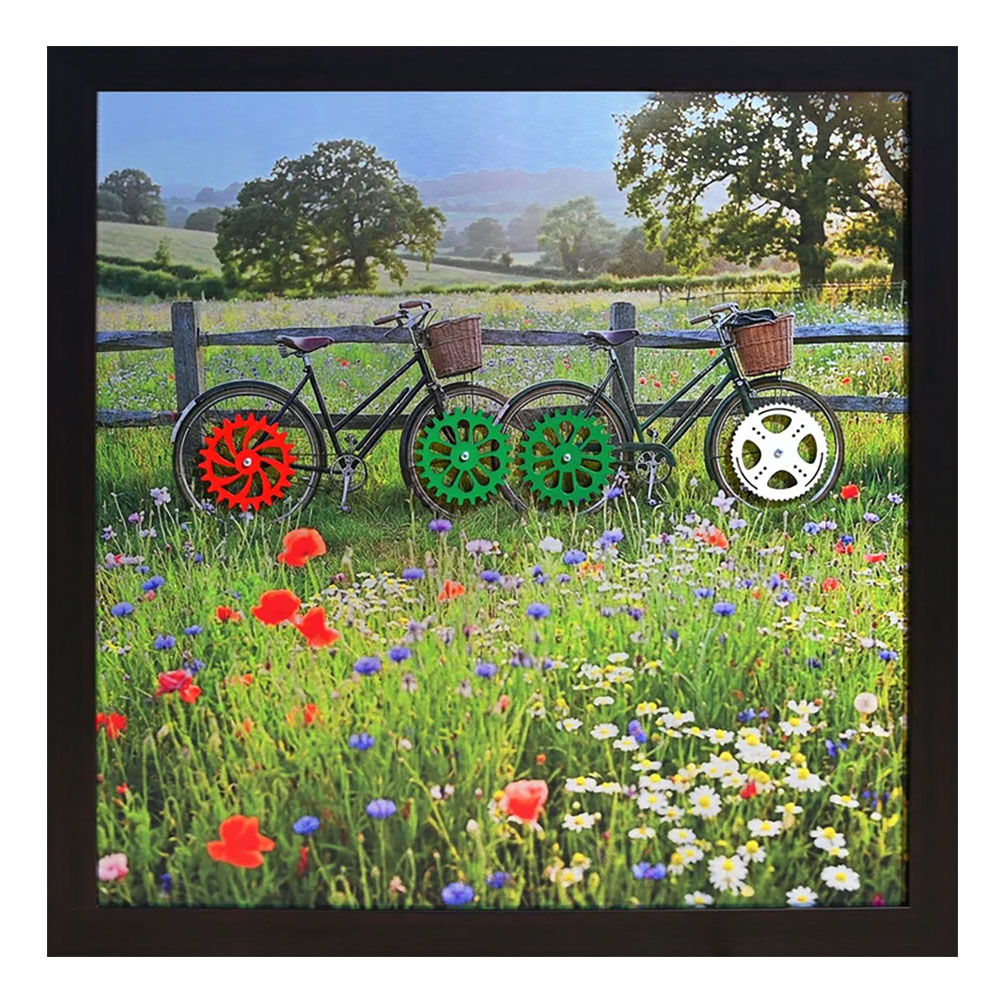
The setting itself is less important than the outcome. It might be a Snoezelen room. It might be a garden path, a nature trail, a community museum, or a piece of tactile art displayed in a hallway. In each case, the objective is the same: helping people engage in a sensory world.
At Dementia Friendly Design, we believe that sensory environments should be integrated into everyday life rather than reserved for special occasions or dedicated therapy spaces. Thoughtfully designed sensory art, tactile installations, and engaging environments can bring moments of curiosity, connection, and calm into the places where people already live, work, gather, and receive care.
Sometimes improving quality of life begins not with a complex intervention, but with something much simpler: creating an environment that the brain can understand.
Read more – Sensory Stimulation for Dementia
References for Sensory Stimulation, Perception, and Dementia
- Baker R, Holloway J, Holtkamp CCM, et al. Effects of multi-sensory stimulation for people with dementia. British Journal of Clinical Psychology. 2001.
- van Weert JCM, van Dulmen AM, Spreeuwenberg PMM, Ribbe MW, Bensing JM. Behavioral and mood effects of Snoezelen integrated into 24-hour dementia care. International Journal of Geriatric Psychiatry. 2005.