

Wayfinding and Orientation
Orientation Is the Foundation of Resident Safety and Dignity
Dementia such as Alzheimer’s disease often inpairs one’s ability to navigate familiar environments. Research shows that thoughtfully designed spaces can support wayfinding by using visual cues that are bold, colorful, familiar, meaningful, and distinctive—making environments more memorable and easier to interpret for people living with dementia.
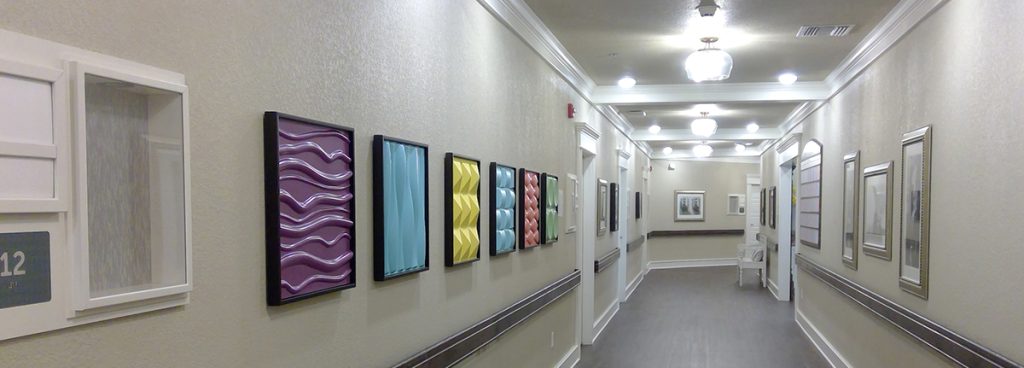
Wayfinding in Memory Care
Orientation is not a single intervention or product; it is the outcome of a dynamic relationship between residents and their environment. This relationship is particularly critical in memory care, where residents frequently experience cognitive decline and rely on environmental cues to function independently.

Design for Dementia Care
In Alzheimer’s disease, the ability to navigate familiar environments is often impaired. Research shows that thoughtfully designed spaces can support wayfinding by using visual cues that are bold, colorful, familiar, meaningful, and distinctive—making environments more memorable and easier to interpret for people living with dementia.

Memory Care Design for Professionals
Memory care design professionals play a crucial role in creating environments that support the well-being of individuals with memory impairments and other cognitive and neurological conditions. Their expertise enables them to address the unique needs and challenges faced by these individuals.
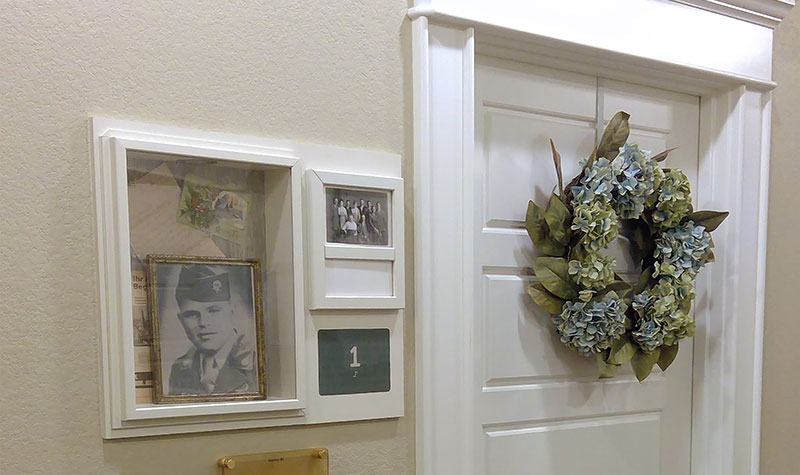
Memory Boxes
Nolan, Mathews, Truesdell-Todd, and VanDorp (2002) studied six residents with dementia who experienced difficulty locating their rooms. After placing memory boxes containing photographs and personally meaningful objects outside each resident’s door, they observed a 45% improvement in room location.

3D Texture Panels
Architectural surfaces that combine color, contrast, and tactile texture can serve as powerful orientation cues. When used consistently, 3D texture panels help residents distinguish between wings, corridors, or destinations while also providing a reassuring tactile reference along the way. Visual and touch-based cues work together to reduce cognitive load and support confident navigation.
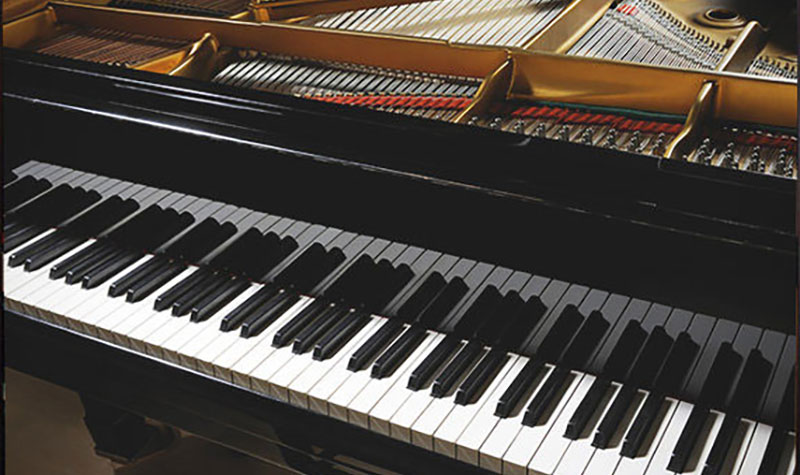
Music as a Cue
Sound can be a subtle but effective wayfinding aid. Familiar music—such as piano music associated with a lounge or gathering space—can signal destination and purpose before a resident ever reaches the room. When music style and location remain consistent, auditory cues reinforce memory, reduce anxiety, and support intuitive movement through the environment.